
RED LIGHT PHOTODYNAMIC THERAPY (PDT)
Photodynamic Therapy for the Treatment of Actinic Keratoses
If you’re looking for a safe and effective way to treat sun damage, ask our team at The Skin Firm about Red Light Photodynamic Therapy. This FDA-approved method is proven to be highly efficacious in treating pre-cancerous lesions, also known as actinic keratosis, and requires minimal downtime. Our patients have reported high satisfaction rates with treatment results, and we’re confident you will too. We encourage you to contact our team of professionals to learn more about this innovative treatment and to determine whether it is right for you.
When to Consider Photodynamic Therapy
PDT is recommended for:
Actinic Keratoses (AKs) – Scaly, rough patches of skin caused by prolonged sun exposure that can develop into skin cancer if left untreated.
Field Therapy – Ideal for patients with widespread sun damage and multiple lesions.
Minimally Invasive Treatment – A preferred option for individuals who wish to avoid surgical procedures.
Cosmetic Benefits – In addition to treating AKs, PDT can improve overall skin texture and tone.
Early intervention with PDT helps prevent AKs from progressing into more serious skin cancers while enhancing skin appearance.
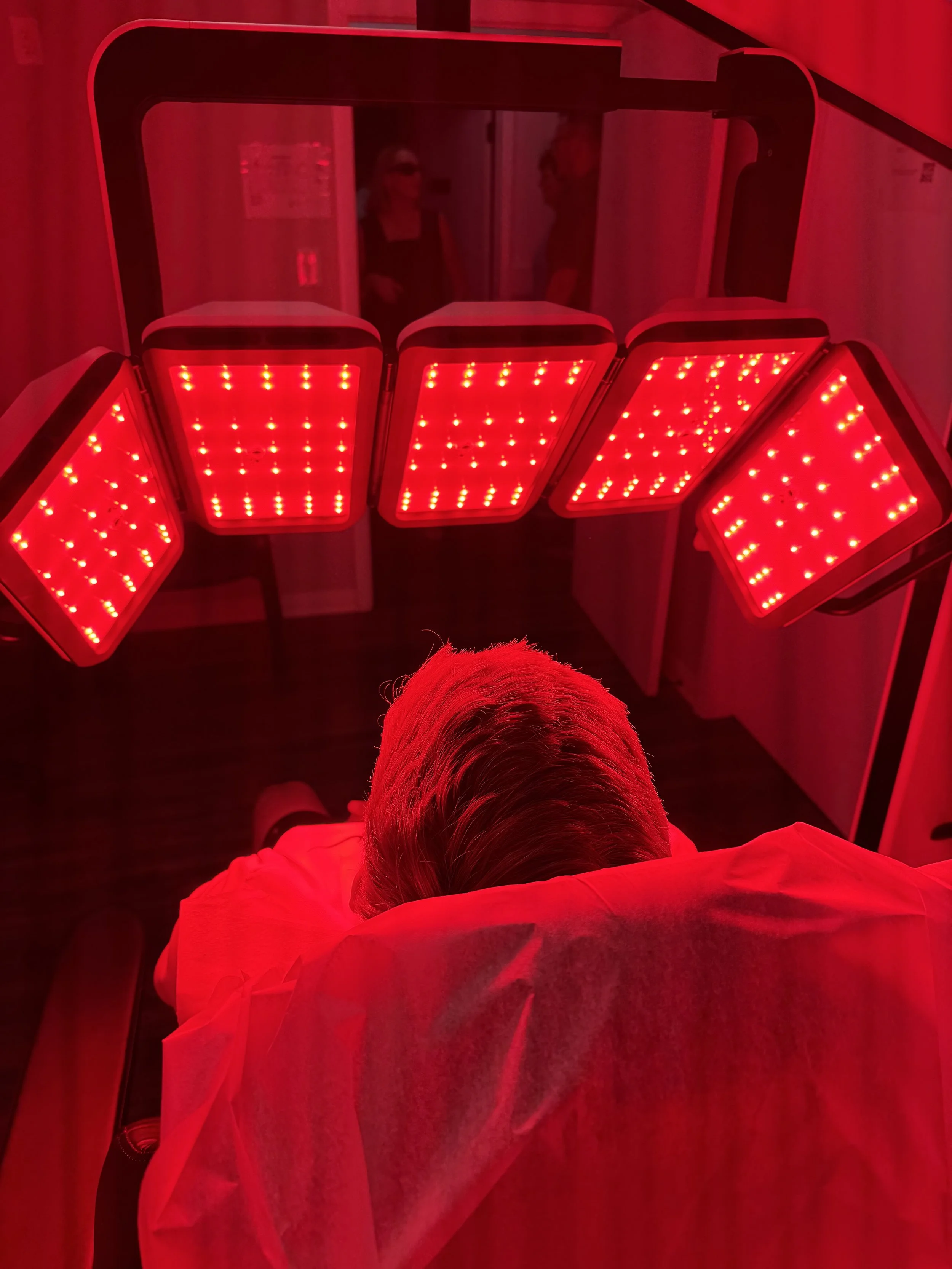
At The Skin Firm, we customize PDT treatment based on the patient’s needs.
PDT
Frequently Asked Questions
-
PDT is a non-invasive, light-baed treatment use to target and destroy abnormal or damaged skin cells. It is most commonly used to treat actinic keratoses (precancerous lesions) and can help reduce the risk of these spots progressing into skin cancer. PDT is also effective for acne, as it reduces oil gland activity and kills acne-casing bacteria, and may be used for sun damage, uneven skin texture, and overall skin rejuvenation.
-
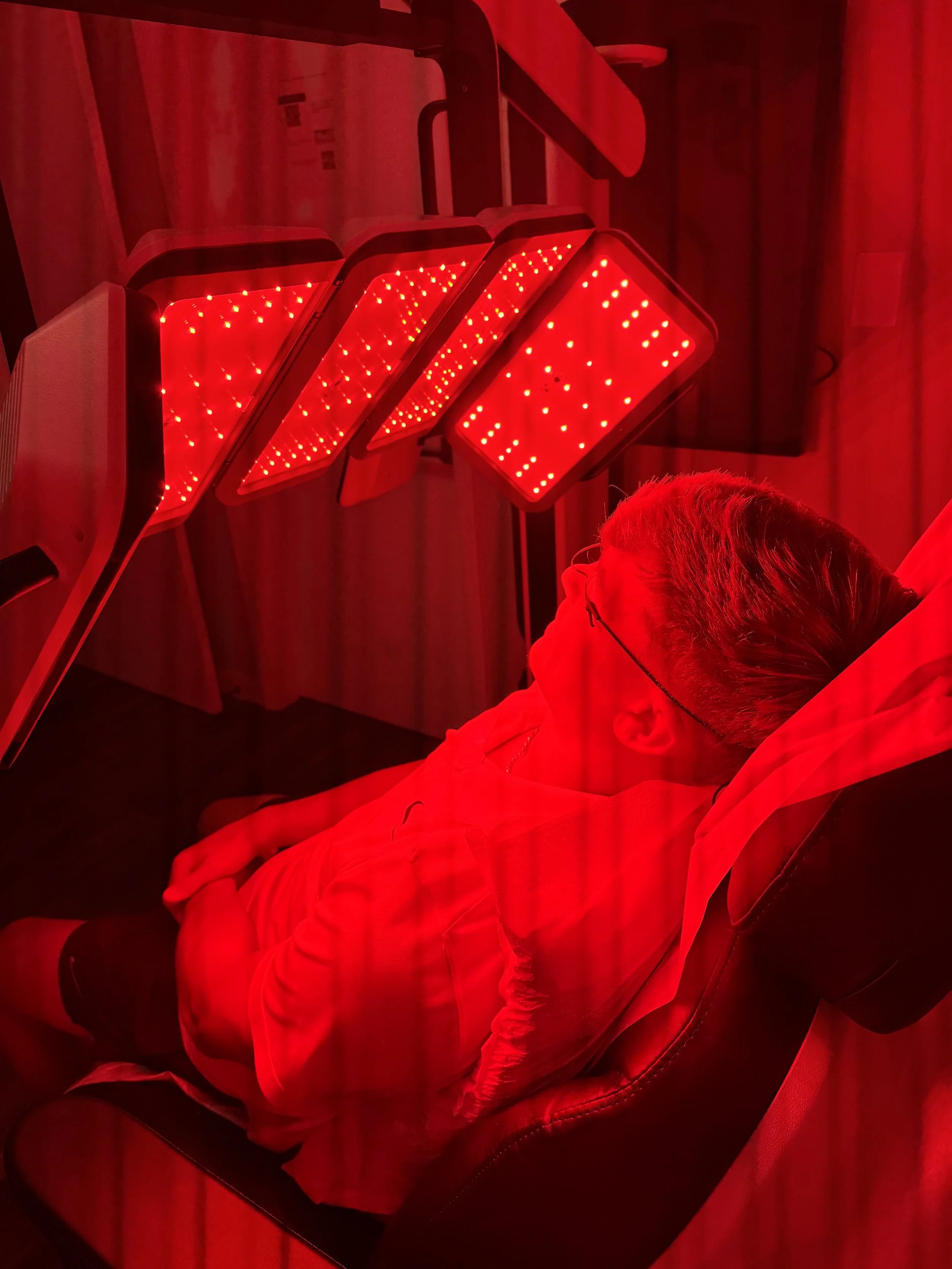
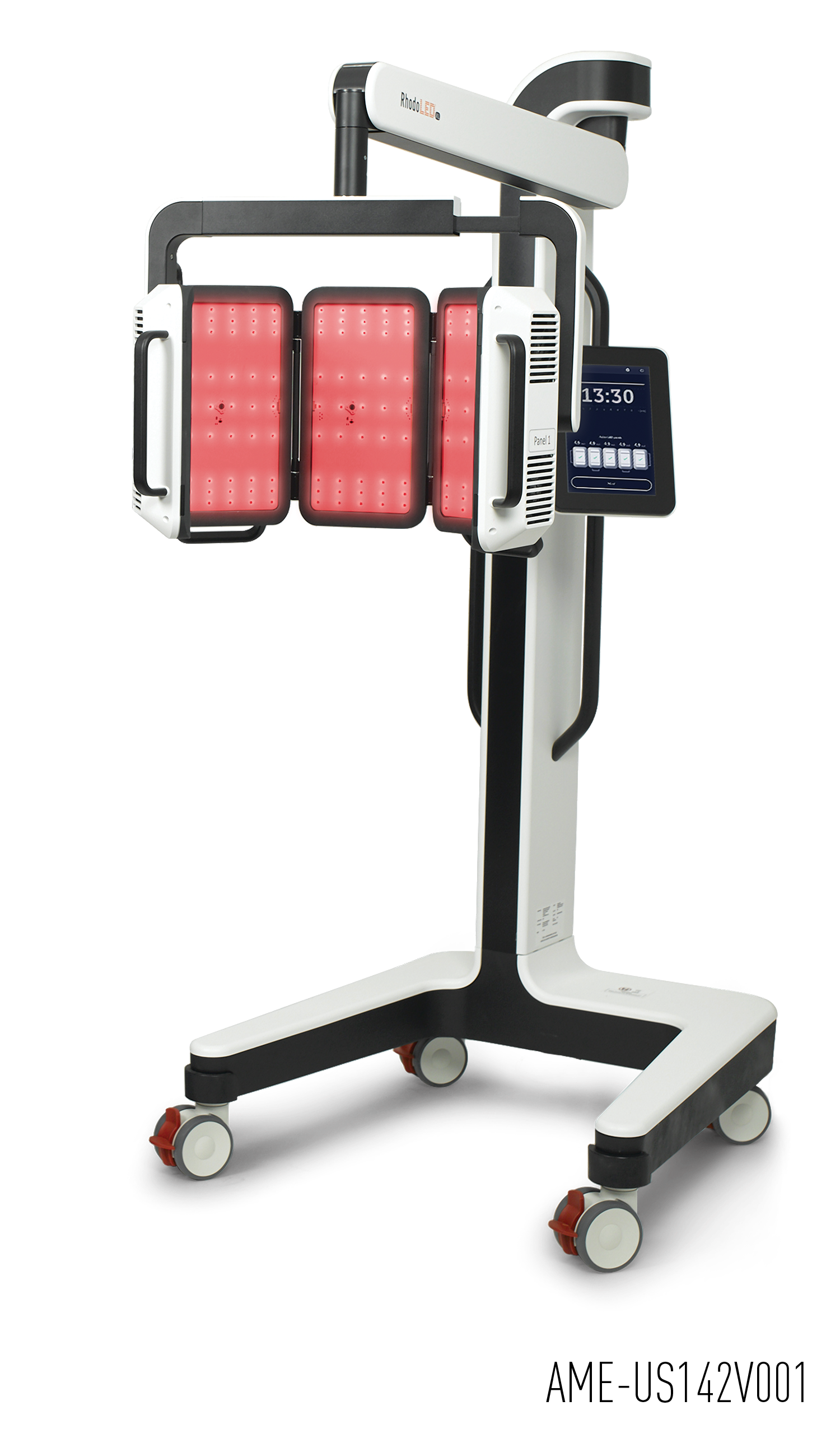
Photodynamic Therapy is a two-step process. In the first step, a topical photosensitizing gel called Aminolevulinic Acid (ALA) is applied to the skin. The topical gel is then preferentially absorbed by damaged, pre-cancerous cells, making them extremely sensitive to light. In the second step, the treatment area is exposed to red LED light, which causes the ALA to become activated. Activation of the ALA triggers the destruction of damaged cells while leaving surrounding healthy cells unharmed.
-
Treatment
While downtime is minimal, patients must adhere to strict sun avoidance for 48 hours following Red Light Photodynamic Therapy treatment by either staying out of the sun or covering the treated area with sun-protective clothing. Sun exposure within this time period will lead to the re-activation of the photosensitizing agent. Starting within 48 hours of your treatment, your skin may become flushed, like you have a minor sunburn. Your skin may also appear dry and you may notice some peeling start to occur. This is a normal part of the healing process. Over the next week following your treatment, the damaged cells targeted by the treatment will flake off to reveal new, healthy skin that looks better than ever.
-
If you are currently dealing with existing pre-cancerous lesions or are noticing visible signs of sun damage, Photodynamic Therapy may be a good option for you. Because Photodynamic Therapy results in minimal side effects and downtime, it is excellent for our patients who may not otherwise have the time required for alternative treatment options. Schedule a consultation with our medical team to find out if this treatment may be suitable for you.
-
Most insurances do cover Photodynamic Therapy. Coverage of out-of-pocket expenses can vary depending on your specific plan, so we recommend checking your individual benefits prior to treatment. Our staff will also perform a prior authorization prior to scheduling for the treatment.
-
The number of Photodynamic Therapy sessions recommended will vary based on individual’s needs. Most patients require 1-3 treatments spaced 4-6 weeks apart for best results. Your dermatology provider will discuss this with you during your consultation.